Technology
The engineering behind the revision.
Four exam sites, one platform: an adaptive engine that decides what you see next, analytics that know how sure you were, mocks that behave like the day, and real-time 3D anatomy in a browser tab. Here’s how it works.
Independent — not affiliated with or endorsed by the JCIE, the ICBSE or the Royal Colleges of Surgeons.
FRCS (Tr & Orth) · frcsorth.app
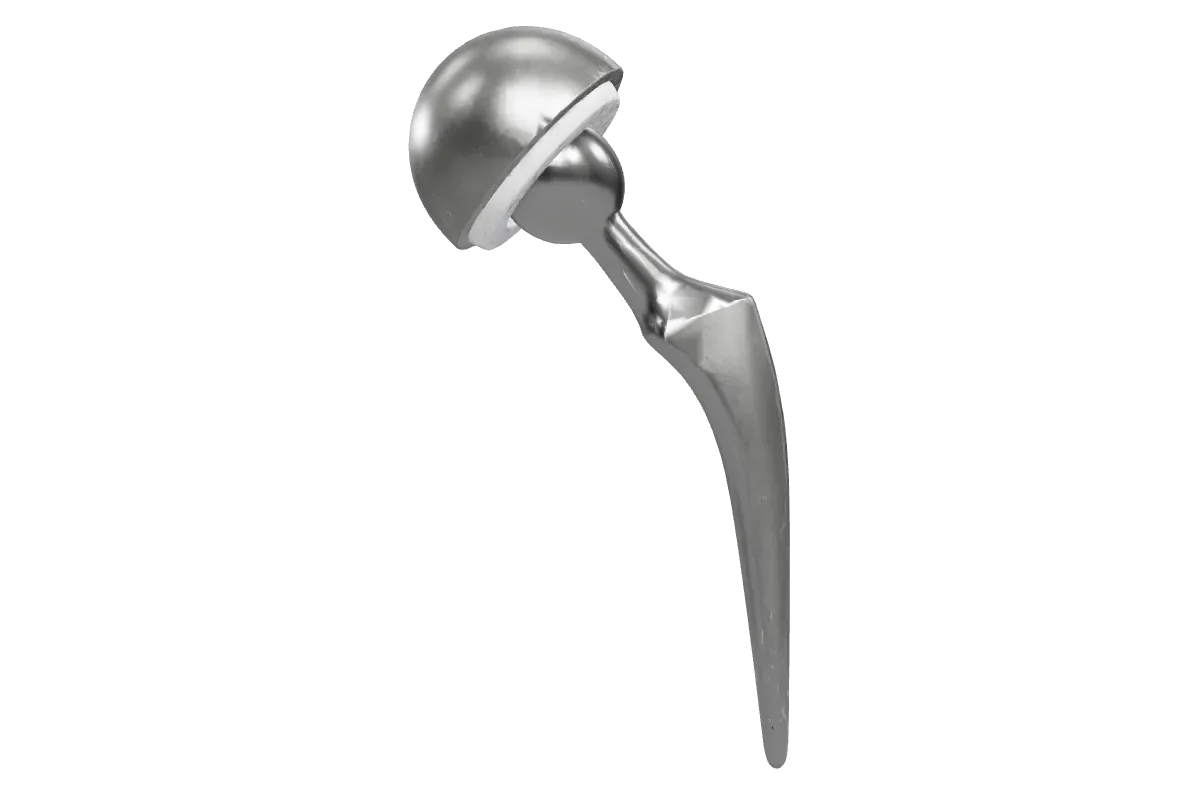
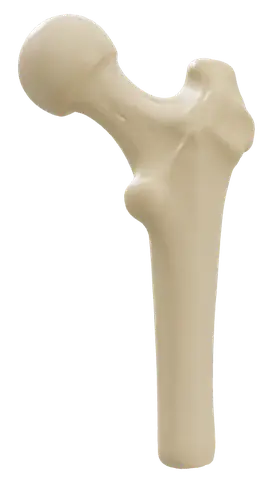
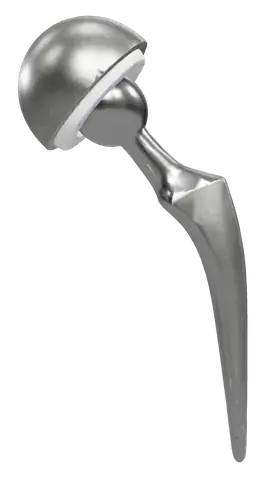
Total hip replacement
Stem, head and acetabular cup, rendered live with real-time reflections.
Explore it with hotspotsDrag to turn · scroll to zoom
01Architecture
One platform, every exam.
Every site is the same TypeScript application with a different exam plugged in. An exam is a layer of configuration and content — its papers and timings, its syllabus map, its question bank, articles and models — on top of a shared engine.
That has two consequences we care about. Every improvement, from a faster question screen to a new analytics view, reaches every specialty the day it ships. And adding a specialty is a content project rather than a software project: the work goes into the questions, not the plumbing.
Exam layer
Papers and timings · syllabus map · question bank · articles · 3D models · copy
Shared platform
Question engine · mock exams · adaptive engine · confidence analytics · Daily Five · notes and diagrams · 3D viewer · accounts and billing
Infrastructure
TypeScript · Next.js and React · PostgreSQL · three.js · Stripe · Vercel’s edge network
02Adaptive engine
What should you see next?
Every question carries a weight computed from your own history with it. The higher the weight, the more likely it is to be served in your recommended revision — so each session is built from what you most need.
The Daily Five uses the same history on a fixed schedule: a missed question comes back three days later, and one you’ve mastered returns after three weeks to keep it warm.
03Analytics
Analytics that know how sure you were.
A 1–5 confidence rating before each answer turns a score into a diagnosis. Ratings of four or five count as confident; combined with correctness, every question lands in a quadrant, every topic gets a competence profile, and your calibration — over- or under-confident — is plotted over time.
A composite exam-readiness estimate weights all of it across the syllabus and bands you Not ready, Developing, Approaching or Exam-ready. The logic is explained inside each app, not hidden.
Confident and correct. Resurfaces rarely.
Sure, and wrong — the gap that costs marks.
Right, but you didn’t trust it.
Unsure and wrong: honest territory.
04Mock exams
Mocks that behave like the day.
A mock is only useful if it feels like the real thing — including the parts that are uncomfortable.
- The real format for each exam: two FRCS papers of 120 questions at 2 h 15 min, or MRCS Paper 1 and Paper 2 at their own lengths
- A wall-clock timer that survives a refresh or a dropped connection — no extra minutes
- A question navigator and flags, with unanswered questions visible at a glance
- Review opens only after you submit, as in the exam
- Shorter papers too: Quickfire 20, Standard 50, topic papers and a hard-only paper
- A breakdown by paper, topic, difficulty and domain, with weak areas queued for revision
053D anatomy
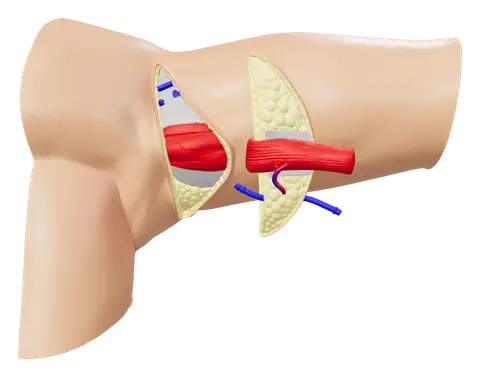
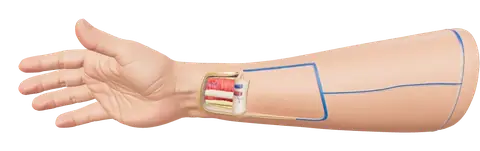
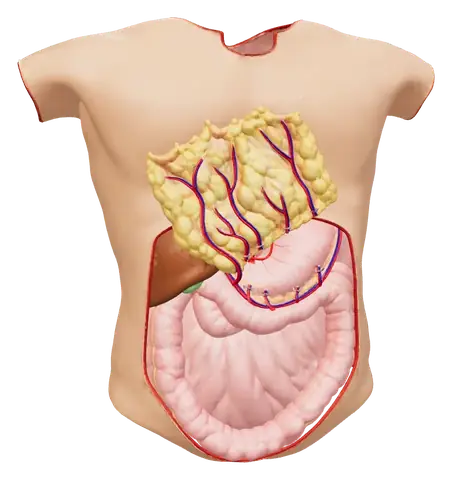
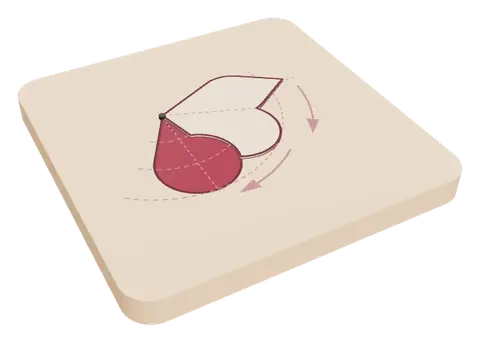
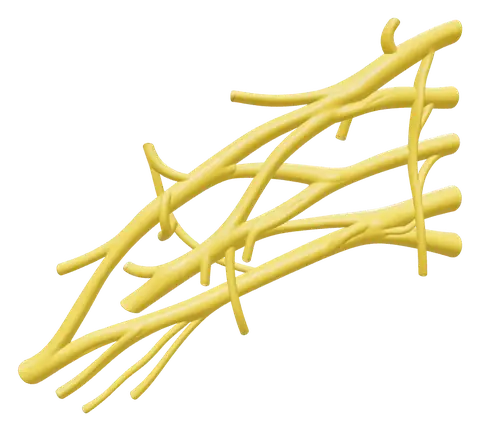
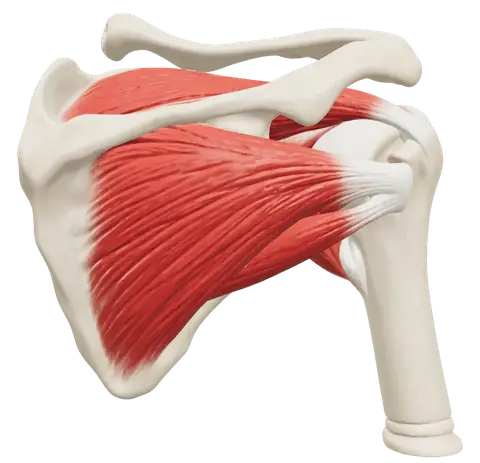
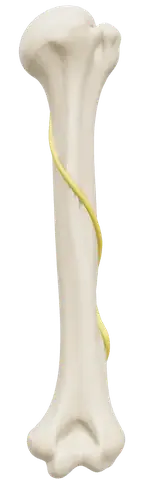
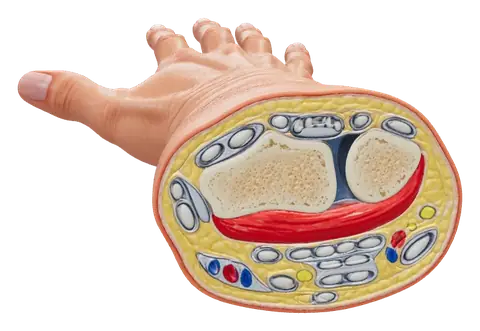
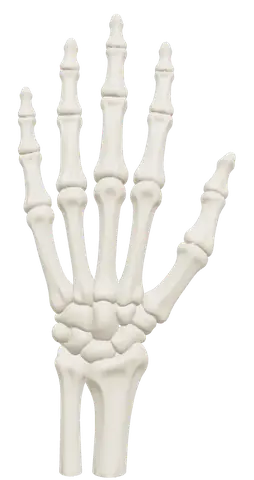
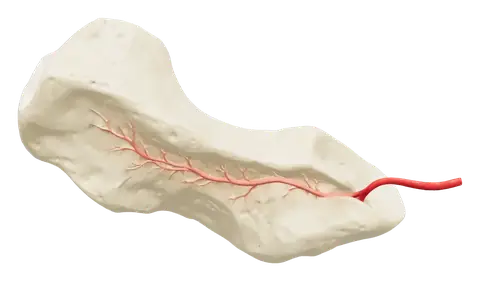
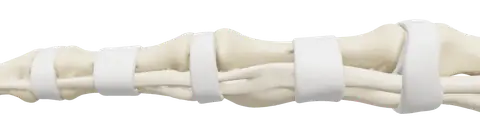
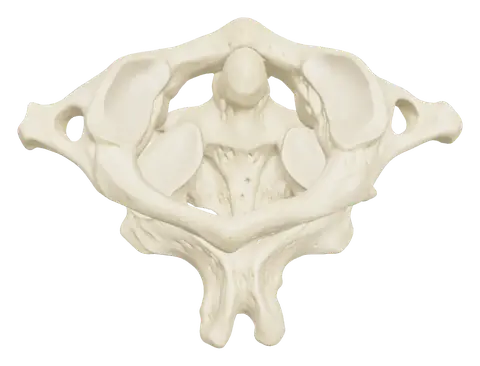
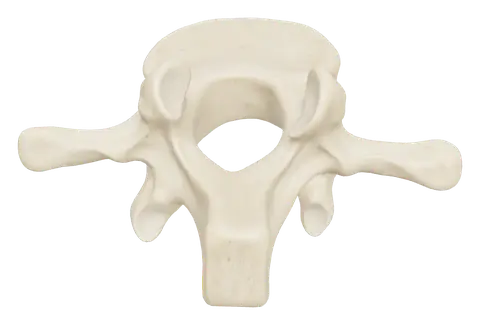
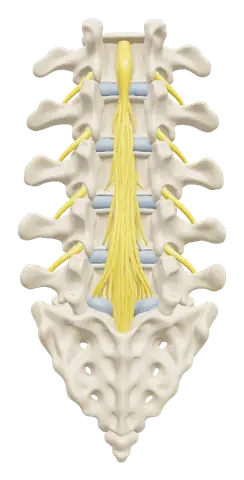
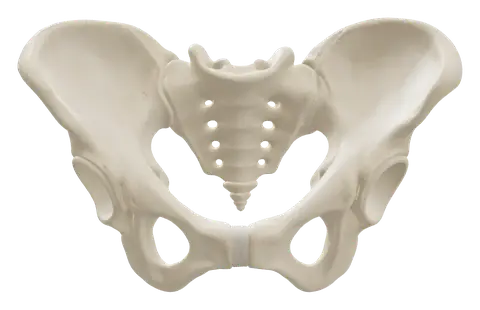
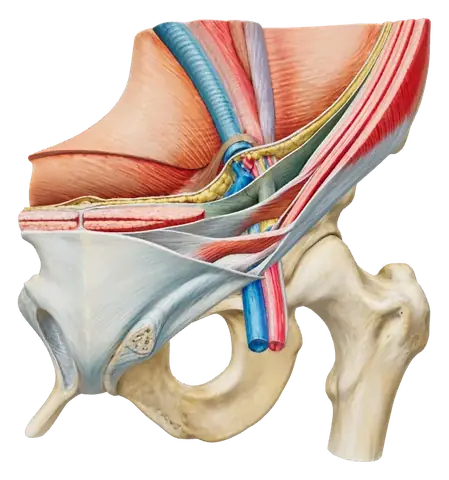
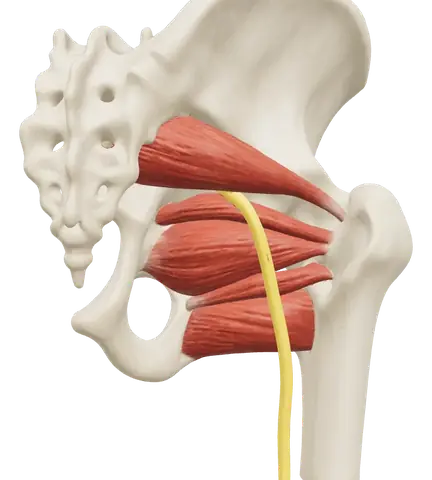
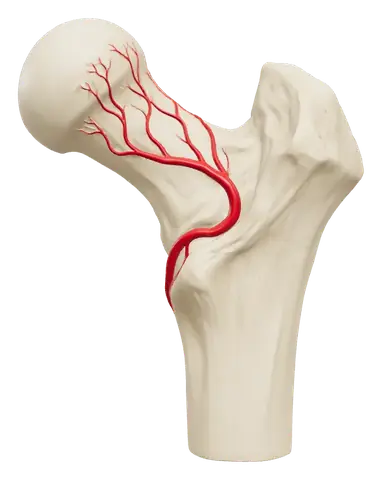
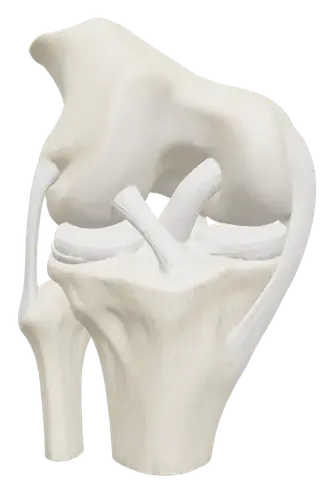
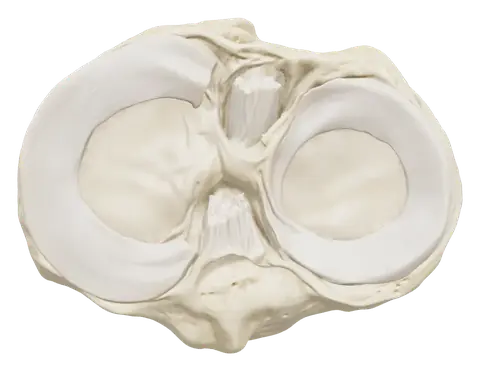
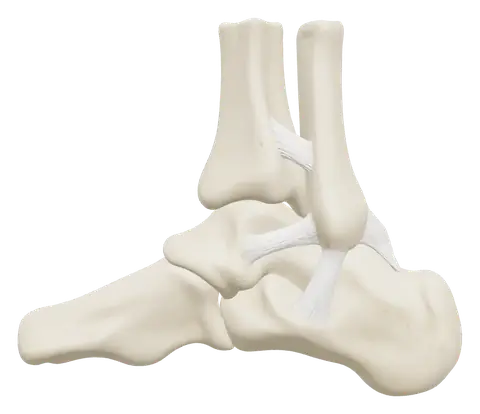
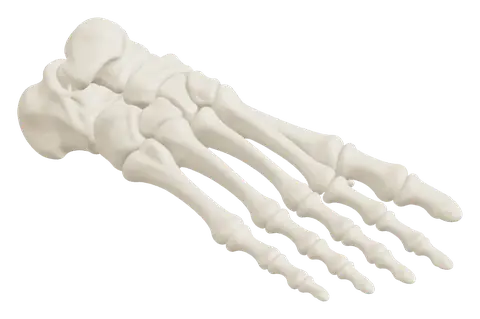
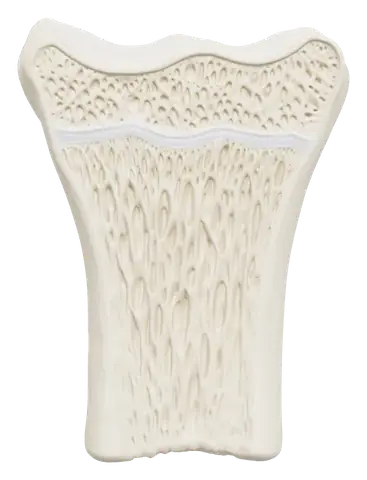
27 models you can turn in your hands.
No plug-in and no app: the models run in any modern browser, on a phone as well as a laptop, and they’re free on every site without an account. Where a device has no GPU, a still render stands in.
Modelled for the exam point
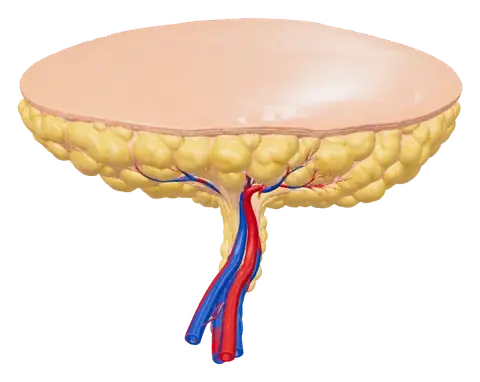
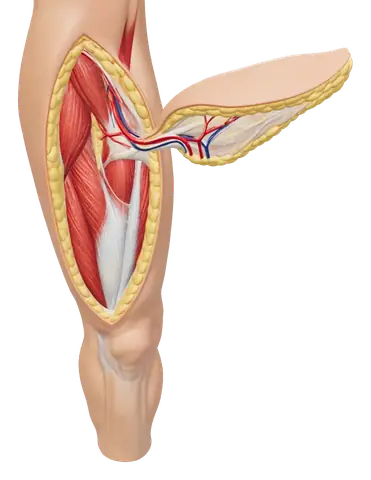
Each model is built around what the paper asks — the perforators of a DIEP flap, the pulleys of a flexor sheath, Lewinnek’s safe zone — rather than taken from a generic atlas.
Compressed for phones
Binary glTF with Draco-compressed geometry and WebP textures. Most models are under a megabyte, and none loads until the page is idle.
Rendered in real time
three.js and WebGL with physically based materials, soft shadows and filmic tone mapping. The idle spin drops to 30 fps and rendering stops when the model is off-screen.
Labelled where it matters
Hotspots are HTML labels projected from model space, so they stay crisp, clickable and readable by screen readers — and they dim when the anatomy turns behind itself.
06Editorial pipeline
Software is half of it. The questions are the rest.
Every question on every site goes through the same six steps. Each site publishes its own editorial standards: MRCS Part A, FRCS Gen Surg, FRCS Plast, FRCS Orth.
- 01
Blueprint
Every question starts from an item on the exam’s syllabus blueprint, so coverage is planned rather than accidental.
- 02
Write
A lean clinical vignette, five options from the same category, and one planted discriminator that makes a single answer best.
- 03
Explain
The explanation says why the answer is best and why each distractor isn’t — for this patient — before anything else.
- 04
Reference
Every explanation ends with its source: NICE and the specialty associations, landmark trials and standard texts.
- 05
Review
Specialist review is ongoing. Each site’s editorial page publishes which sections have had it, rather than claiming sign-off.
- 06
Correct
Anyone can report an error through the contact form. Corrections are made openly, and retired questions never count in your statistics.
07The stack
Boring technology, on purpose.
Mature, well-understood tools, chosen so the sites stay fast, secure and cheap to run — which keeps the price down.
- TypeScript
- One typed codebase for every site, from the question schema to the analytics
- Next.js and React
- Pre-rendered public pages; a fast, app-like revision interface
- PostgreSQL
- Accounts, attempts, mocks and progress, synced across your devices
- three.js and WebGL
- Interactive 3D anatomy with Draco-compressed geometry and WebP textures
- Google sign-in
- One-click OAuth sign-in, alongside email and password (salted and hashed)
- Stripe
- Payments and billing; card details never reach our servers
- Vercel
- Hosting on a global edge network, deployed on every change
Try before you trust
See it working: twenty free questions.
Every site has twenty single best answer questions with full, referenced explanations — no account and no card. Pick your exam: